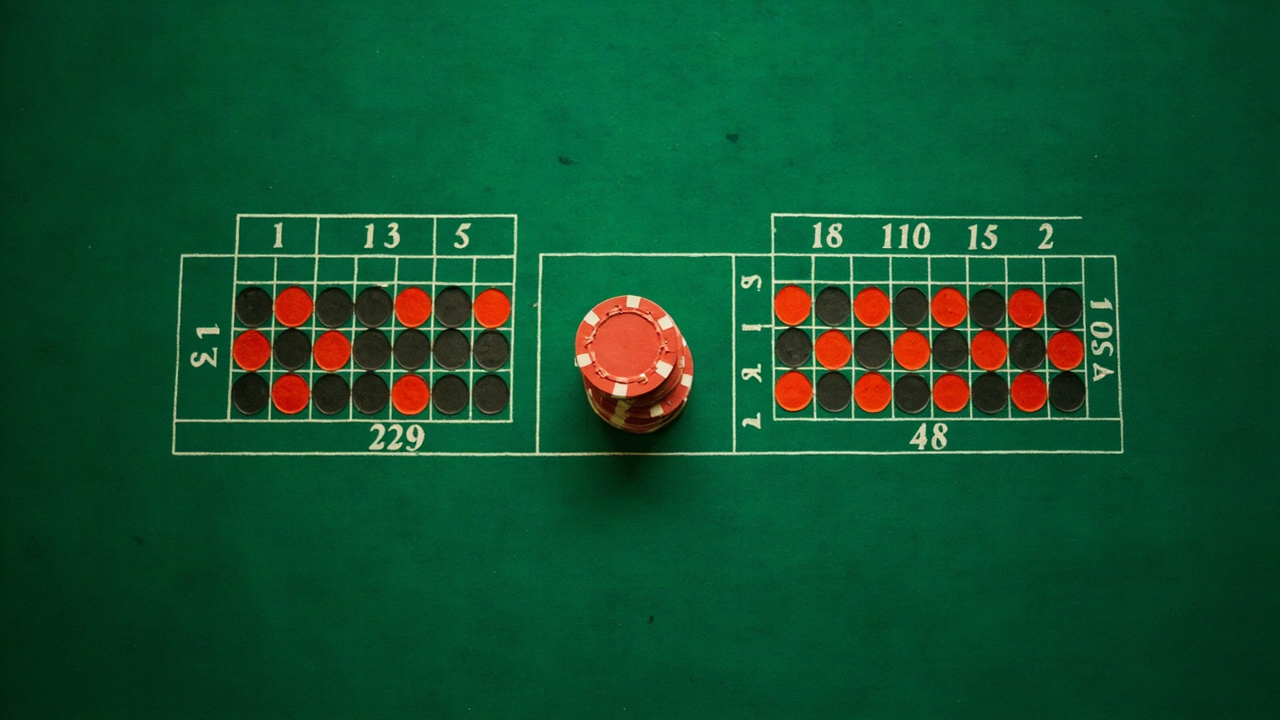


A six line bet covers two full rows of three numbers, giving you eighteen chances in a single spin. It is a bread-and-butter wager for players who like steady coverage rather than chasing a single number. At the Western Sydney social club where I first watched a live dealer table, the six line was the quiet workhorse behind most even-money chasers. Here is how it behaves on a real layout, what the payouts actually mean, and how the bet fits into a sensible session.
Reading the Six Line on the Table Layout
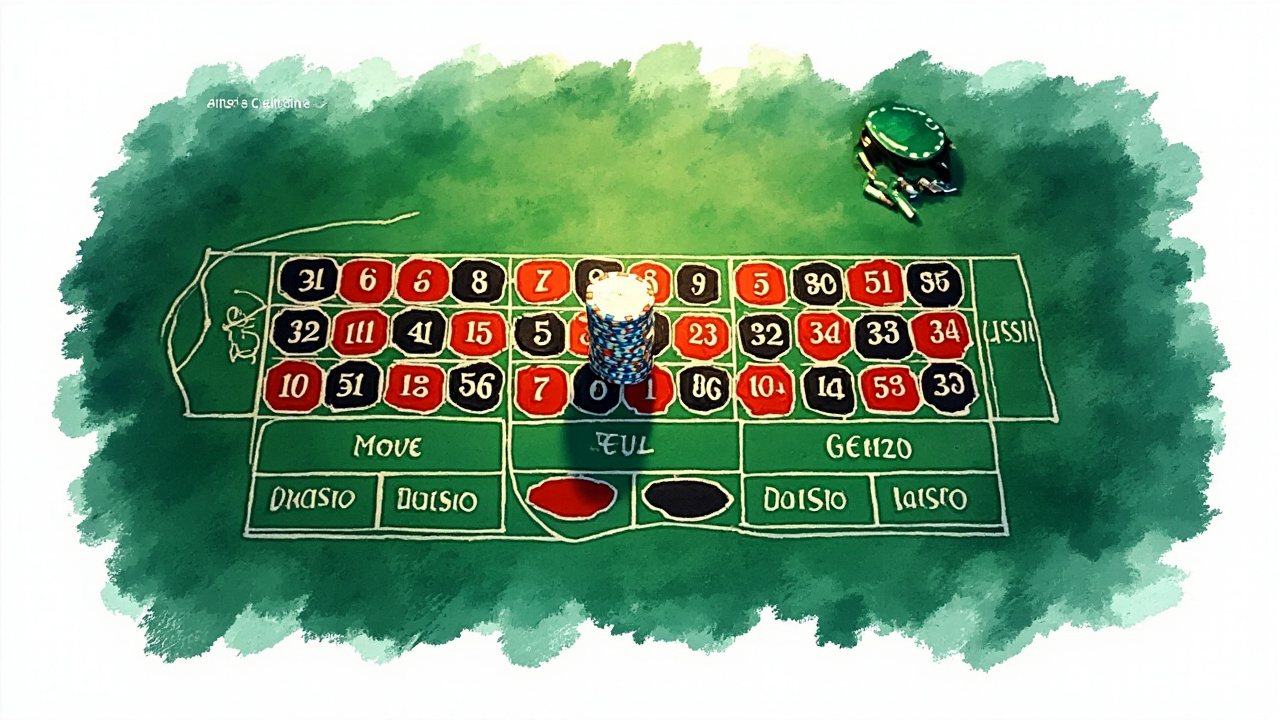
You place the chips on the line that separates two rows, straddling the boundary between 1-3 and 4-6, or any adjacent pair of rows down to 34-36. The dealer counts the covered numbers as eighteen, which is just under half the wheel. On a European layout that leaves eighteen single-zero pockets uncovered, so the house edge sits at 2.7 per cent before any table rules change the maths. I have traded sportsbook markets where a two-row spread would be a lazy hedge, and the same discipline applies here: the six line is broad, not clever.
The bet does not pay like a single number. A winning six line returns 5 to 1, which means a $10 chip wins $50 plus your stake back. That payout is fixed, so the table does not care whether you cover 1-6 or 31-36. What changes is the rhythm of your bankroll. A six line hits more often than a straight-up wager, but each hit is smaller relative to the risk, which is why disciplined players treat it as a coverage tool rather than a jackpot hope.
A few practical points matter before you push chips forward:
- The bet is valid on any standard European or French layout, and the same eighteen-number coverage applies on an American wheel, though the double zero shifts the edge to 5.26 per cent.
- Table minimums in Australia commonly start around $1 or $2 on a quiet evening, so a six line can be built from small chips without stretching a session.
- The payout is paid per chip, so a stack of five $2 chips on the line returns $50 total on a win, not $50 per chip.
How the Bet Behaves Through a Session
A six line does not smooth out variance the way a balanced outside bet does, because the payout is still inside-table territory. You will see wins land regularly enough to keep chips moving, but a short run of zeros or missing numbers can trim a stack quickly. In my trading days I learned to size positions around expected hit frequency, and the same habit helps here: treat the six line as a steady income of small wins, not a recovery mechanism after a bad stretch.
The bet interacts with table rules in a specific way. On a European wheel, a zero or double zero does not win the six line, so those pockets are the quiet drag on your edge. Some French tables offer half-back on even-money outside bets when zero lands, but that rule does not apply to a six line, which is an inside wager. That distinction matters when you are comparing tables at a local venue or weighing up a browser session on a mobile app.
A sensible session around a six line usually looks like this:
- Pick a table with a minimum that matches your planned stake, and keep the six line as one part of a wider spread rather than the only wager on the felt.
- Set a stop point before the first spin, because the bet’s frequent small wins can lull you into extending a session past your original limit.
- Watch the dealer’s rhythm and the wheel’s behaviour over a few spins, then decide whether the six line still fits your plan or whether you want to shift coverage.
The bet also behaves differently depending on how you build it. A single six line chip is simple and easy to track, while stacking multiple six lines across two or three rows increases coverage but also raises the cost per spin. That is where product strategy meets the felt: the same wager can be a tight, controlled play or a loose scatter of chips, and the difference shows up in your results by the end of the arvo.
How the Bet Fits a Player’s Session
A six line suits players who want more action than a single number but do not want to move entirely to outside bets. It is a middle ground wager, and that middle ground is where most sensible sessions live. If you prefer a slower pace with fewer decisions, the six line can sit alongside a couple of outside bets and keep the table active without demanding constant attention. If you are chasing a specific section of the layout, the six line gives you a clean way to cover it without placing six separate chips.
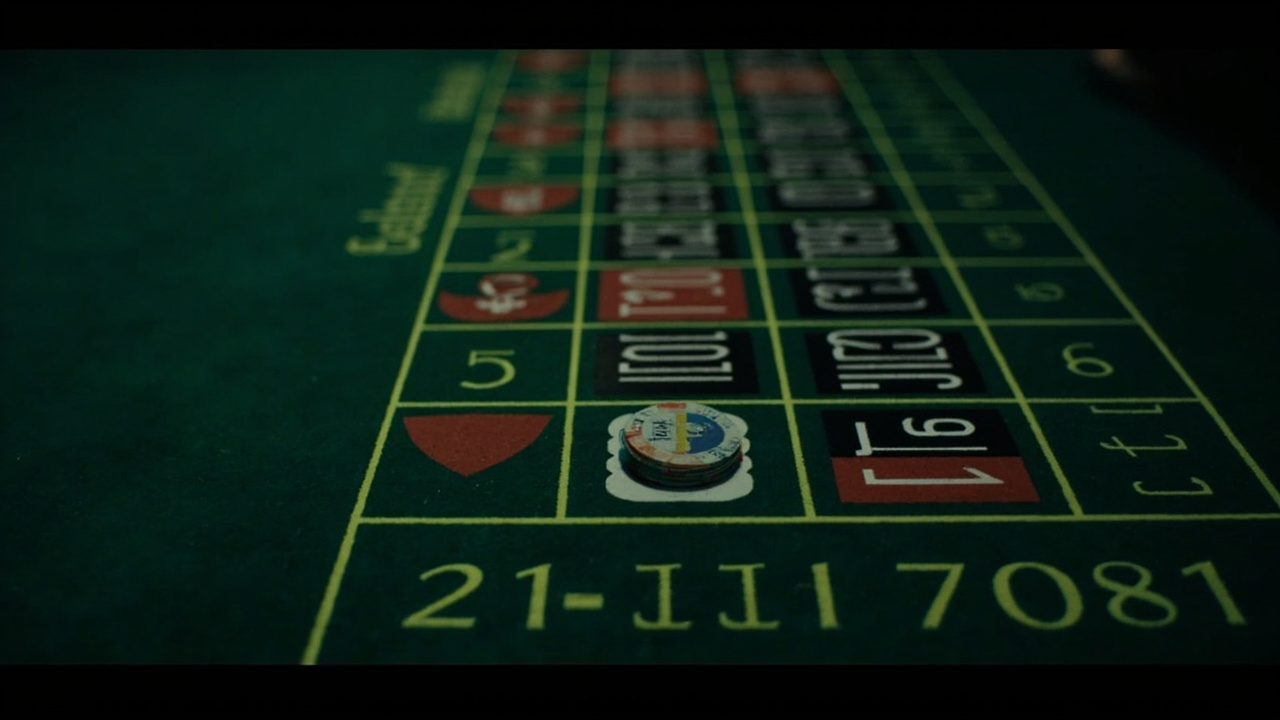
Mobile play changes the feel slightly. On a browser or app, the six line is usually placed with a tap on the line between rows, and the interface should show the covered numbers and the pending payout before you confirm. A responsive table layout matters here, because a cramped screen can make the line between rows hard to hit on a phone. Good navigation keeps the bet selection clear, and performance matters when you are placing several wagers in a busy session. I have seen product teams treat mobile responsiveness as a nice-to-have, but on a roulette table it is the difference between a clean tap and a misclick that costs a spin.
The bet also fits a loyalty or rewards structure in a straightforward way. If a venue or platform credits play by amount wagered, a six line contributes steadily because it is placed often and at a predictable stake. That is useful if you want to build activity without swinging your bankroll on a single inside number. Registration and account setup should be complete before you play, and payments or withdrawals need to match the currency and limits you signed up with, so the session does not get interrupted by a mismatch later.
Conclusion
The six line is not a trick bet, and it is not a guarantee of anything except eighteen numbers covered and a 5 to 1 payout when it lands. It rewards players who understand coverage, size their stakes, and keep the bet in proportion to the rest of the table. Think back to that quiet Western Sydney table where the six line was the steady hand behind most chasers: the same principle holds whether you are at a live wheel or tapping a screen on a phone. If you want a wager that keeps the felt active without pretending to outsmart the wheel, the six line earns its place. For a clean, mobile-friendly session with straightforward payouts and a clear view of what you are covering, you can take a look at https://playspinaud.com/ and see how the layout and bet selection feel before you commit to a stake.