


Most Aussie punters reckon a slot jackpot is just a lucky pull, but the maths behind it is a different story altogether. Progressive pools genuinely climb with every wager across the network, yet the odds of landing that life-changing payout stay astronomically long, and anyone chasing one needs to understand the trade-offs first. The right expectations matter more than the flashy top-line figure, especially when you are weighing a quick spin on your phone against a longer session at a regional Queensland club. If you want a plain-English breakdown before you deposit, a clear explainer on how do slot machine jackpots work will save you a heap of guesswork.
What the paytable and the RNG actually do
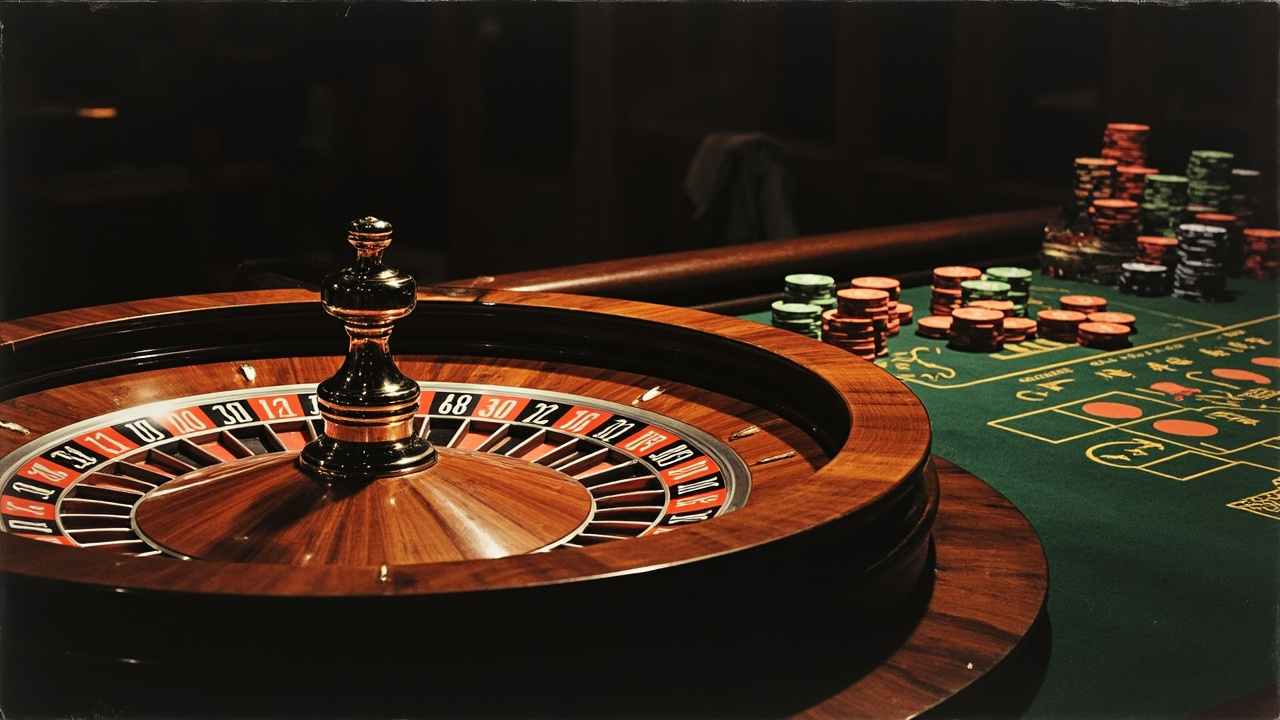
Every legitimate slot runs on a certified random number generator, which means each spin is an independent event with no memory of the last one. The advertised return-to-player percentage is calculated over millions of spins, not over your arvo session, and that distinction catches plenty of players out. When you read a paytable, you are really looking at weighted symbol combinations and volatility settings, not a hidden ladder that gets easier the longer you play. I have spent decades watching casino floors and online lobbies alike, and the pattern never changes: a machine that pays small wins frequently will feel busy as a trading floor during peak hours, while a high-volatility title can sit quiet for ages before a single bigger hit. That rhythm is by design, not a signal that a jackpot is due.
| Detail | What it means for your play |
|---|---|
| RTP range | Typically 94-97% across a provider’s catalogue |
| Volatility | Low, medium, or high; shapes win frequency and size |
| Jackpot type | Local, wide-area, or standalone progressive |
| Max bet requirement | Often needed to qualify for the top prize tier |
| Certified RNG | Independent testing under the operator’s licence |
The practical takeaway is that jackpot eligibility usually hinges on max bet rules and specific symbol patterns, not on how long you have been sitting there. A wide-area progressive can climb into the hundreds of thousands, but the contribution per spin is tiny and the hit frequency is deliberately rare. If you are comparing that to a flat top machine with a tighter, more predictable ceiling, the choice comes down to whether you want a small chance at a large pool or a steadier shot at smaller returns. Either way, the maths does not shift because the screen is flashing. ozwincodes.net
Reading the odds without the marketing gloss
Progressive pools and the real probability
Progressive jackpots do genuinely grow, but the odds of hitting them are astronomically long, and that is the honest caveat every operator should make obvious. The pool increases because a small slice of each qualifying wager feeds the meter, which is why the figure on the screen can look enormous by Friday night and then reset after a single hit. What the marketing leaves out is the contribution rate and the seed value, both of which determine whether you are chasing a freshly seeded prize or a meter that has been climbing for months. During my years covering the industry, I have seen players treat a rising meter like a countdown, when in reality it is just a slow accumulation with a tiny independent probability attached to each spin.
If you are weighing a progressive against a fixed top prize, the decision is really about risk appetite and bankroll discipline. A wide-area network jackpot spreads contributions across many games and venues, which inflates the headline number but thins the hit rate even further. A local or standalone progressive keeps the pool smaller and the odds a touch less brutal, though “less brutal” still means you should treat it as a rare bonus rather than a plan. The sensible read is to look at the max bet requirement, the trigger conditions, and the volatility before you assume the top line is a realistic target.
Tournament chips, ICM, and why context changes value
The same kind of weighted thinking shows up in tournament play, where ICM, or the Independent Chip Model, values tournament chips by payout structure rather than raw stack size. That matters because a big stack late in a event is not automatically worth proportionally more once the pay jumps are uneven. In pai gow poker, players set two hands: a five-card “high” and a two-card “low,” which forces you to balance strength across both instead of chasing one big win. Those mechanics are a useful reminder that context changes value, whether you are reading a slot paytable or weighing a tournament bubble.
Sophie Campbell, Gaming Technology Consultant, Harbour City Gaming Review, puts it plainly: “Players often misread a climbing meter as momentum, when it is really just a contribution rate and a very long probability tail.” That caveat lines up with what I have seen on floors and in lobbies for years – the numbers are transparent once you know where to look, but the headline alone never tells the whole story.
Matching the machine to how you actually play
The right choice depends on how you play, not on which top-line figure looks biggest on the lobby page. If you are spinning on a mobile browser during a commute or between quarters at a suburban rugby league match, a responsive interface and clean navigation matter as much as the game maths. A cluttered menu or a laggy spin button turns a quick session into a frustrating one, and that is where a lot of operators lose the plot. Australian players tend to jump between devices more than most, so a mobile-first layout that keeps the paytable, bet adjuster, and jackpot info visible without endless tapping is worth prioritising.
Payment timing and currency clarity also shape the experience more than most ads admit. A site that displays amounts in AUD, keeps deposit and withdrawal paths straightforward, and does not hide bonus wagering terms behind vague wording is easier to read at a glance. Registration should be quick, support should answer without a round-trip to another time zone, and a loyalty scheme should reward steady play rather than just shouting about point multipliers. None of that changes the jackpot odds, but it does change whether you can actually enjoy a session without second-guessing the fine print.
Verdict
If you want a clear read on the numbers before you spin, start with the paytable, the volatility, and the max bet requirement, then treat any progressive meter as a rare bonus rather than a target. The machines that fit your bankroll and your device habits will always be more useful than the ones with the loudest headline prize.